

Hyundai Card & E-Mart turn card data into ready meals
Mon, 21st Sep 2026%201.webp)
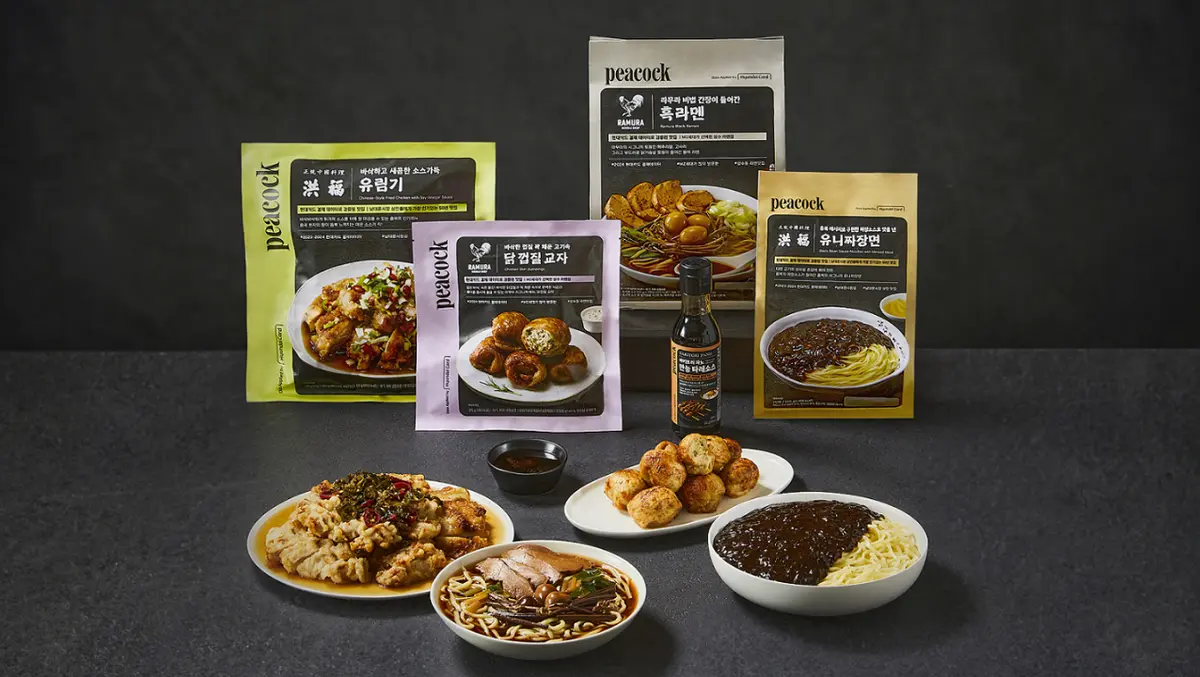
Hyundai Card and E-Mart have turned payment card data into a range of ready meals sold by the retailer. The five products have sold more than 140,000 units, according to the companies.
The collaboration used Hyundai Card transaction data to identify lesser-known restaurants with strong bases of repeat customers. E-Mart then developed their best-known dishes for its PEACOCK private-label range. The approach focused on spending patterns rather than online reviews or social media recommendations.
Hyundai Card's in-house analytics unit, Data Lab, worked with E-Mart on the project. The companies examined transaction data from 2023 to 2024 and looked at groups whose dining habits might indicate durable local demand, including traditional market merchants, younger consumers and premium cardholders.
One result was Hongbok, a Chinese restaurant in Seoul's Namdaemun Market. First opened in Busan in 1958 and later moved to Seoul, it became the basis for two PEACOCK products: uni-jjajang noodles and yurin-gi chicken ready meals.
In Seongsu-dong, an area of eastern Seoul that has shifted from an industrial district to a centre for cafés, fashion brands and restaurants, the analysis highlighted Ramura, a Japanese ramen restaurant popular with younger diners. In Cheongdam-dong, a district associated with luxury retail and upmarket dining, the companies identified Yakitori Pano after examining spending levels and repeat visit rates among premium Hyundai Card members.
Products linked to those restaurants included black ramen and chicken-skin gyoza with tare sauce. The range was launched under the theme "PEACOCK: Restaurants Verified by Hyundai Card Payment Data."
Data model
The initiative offers a commercial example of payment data being used beyond marketing or customer targeting. Rather than using card information only to shape promotions, Hyundai Card and E-Mart applied it to selecting restaurant partners and designing grocery products for retail shoppers.
This fits into Hyundai Card's broader data strategy. It has invested more than KRW 1 trillion in IT and artificial intelligence since 2015, including about KRW 500 billion on structuring data so it can be used across the organisation through a consistent framework.
At the centre of that system is Domain Cosmos, a platform Hyundai Card uses to work with business partners without directly sharing raw customer data. The platform supports collaboration with PLCC partners, or private-label credit card arrangements in which a retailer or brand works with the card issuer on product design, marketing and data analysis.
E-Mart is Hyundai Card's longest-standing PLCC partner. The two companies launched the E-Mart eCard in 2015, which Hyundai Card described as Korea's first PLCC, and have since expanded their collaboration to branding, analytics and targeted campaigns.
From last year through the first half of this year, the companies ran 29 campaigns aimed at 11 million potential customers. Hyundai Card said those efforts increased E-Mart's average monthly usage rate and average transaction value, while personalised product recommendations delivered through the Hyundai Card app also raised E-Mart visit rates.
Restaurant signals
The restaurant search relied on a simple premise: some groups may be better judges of local food quality than public review platforms. Hyundai Card paid particular attention to traditional market franchise owners because long-established merchants often know which nearby venues attract genuine repeat custom.
That logic led the companies to restaurants that were not necessarily prominent on digital platforms but appeared repeatedly in card spending data. Repeat transactions, local merchant visits and segment-specific dining patterns gave E-Mart a way to test whether a restaurant had a stable customer base before adapting dishes for retail shelves.
The project began as a one-off collaboration, but the results led the companies to adopt a regular model for identifying more restaurants and launching additional products.
"This achievement is the result of synergy between Hyundai Card's data science and E-Mart's product development capabilities," a Hyundai Card official said.
"Going forward, Hyundai Card will continue this collaboration model, which goes beyond simple analysis and leads directly to product development and sales results through Domain Cosmos-based data science," the official said.