

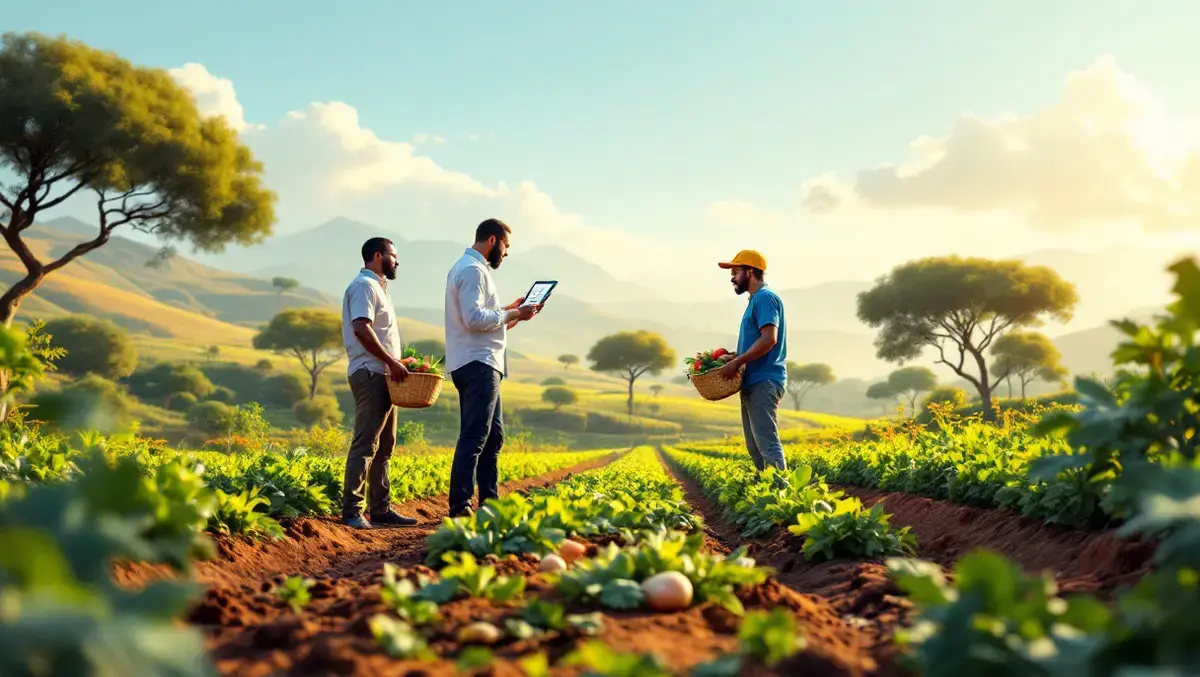
SAS helps micro-farmers boost crop choices with data
Mon, 6th Jul 2026
SAS has worked with South African micro-farmers on a data analysis project aimed at improving crop decisions. The work focused on small farms near the Cradle of Humankind.
The project was carried out with dataDecisions.ai and The Dream, using seasonal crop, growth-cycle and market pricing data from micro-farms in an area where many growers work small plots near homes and informal settlements.
SAS examined crop performance across four seasons, assessing growth periods, yield variability and selling prices. The aim was to help farmers decide which crops to grow, when to plant them and how much to produce within tight limits on water, labour, finance and market access.
The analysis was designed for environments with limited digital infrastructure. Rather than relying on sensors or expensive farm technology, it used available data to identify crops likely to deliver stronger returns or more reliable results.
Local pressures
Micro-farming in the region supports household food supplies as well as local trade, according to the organisations involved. Many growers have limited access to buyers and little visibility of current pricing, leaving them exposed to unstable yields and uncertain income.
That makes planting decisions especially important. A poor choice of crop or timing can tie up scarce water and labour for months, while a more suitable crop can improve both harvest volumes and the income a household earns from surplus produce.
The Cradle of Humankind, where the farms are located, is a UNESCO World Heritage region. Surrounding communities include growers working in resource-constrained conditions, making formal agricultural support and commercial market participation harder to secure.
Data focus
According to the details released, the analysis examined the relationship between seasonality, crop cycles and prices to give farmers a clearer basis for planning. The work aimed to reduce guesswork in crop selection and help growers direct scarce inputs to the areas with the strongest likely return.
By focusing on profitability and resilience together, the project also aimed to support more predictable output from small plots. That matters in communities where micro-farming contributes directly to daily food access and where income from produce sales can be an important part of household survival.
The findings could help create a path from informal growing to more stable income and greater participation in local markets. The project framed micro-farmers as part of the wider food system rather than producers operating outside it.
Hadley Christoffels, founder of dataDecisions.ai, made that case in a statement on the project.
"Food security will not be solved by commercial agriculture alone. If we are serious about building a more resilient food system, micro-farmers must be treated as essential contributors to the formal economy, not as an afterthought," Christoffels said.
Christoffels also pointed to the lack of information and decision support available to many small growers.
"They are producing food where hunger is most immediate, yet too often they do so without the data, insights and decision support needed to make every resource count," Christoffels said.
Wider context
The initiative sits within a broader push by technology groups to apply analytical tools to social and economic issues beyond large corporate customers. In agriculture, that often means adapting methods used in commercial settings for farms that lack stable connectivity, modern equipment or access to formal finance.
For micro-farmers, the challenge is often less about collecting large amounts of new data than making practical use of the information already available. Seasonal conditions, crop maturity periods and local selling prices can all shape whether a planting cycle generates enough food or income to justify the resources committed to it.
In this case, the project focused on turning those variables into decisions growers can use on the ground. The goal was to help them make every resource count in places where landholdings are small and the margin for error is narrow.
The analysis covered four growing seasons and linked crop performance with market pricing to identify more profitable and resilient planting options for micro-farmers in South Africa.