AI Safety stories
The pact will widen use of AI in Singapore's public services, schools and labs, while adding new tests on safety, governance and inclusion.
Supplier-linked attacks and AI-related incidents are testing cyber defences in Hong Kong and Singapore, despite strong confidence in the technology.
Many firms lack visibility over AI-written software, raising maintainability and security risks as adoption of coding assistants accelerates.
Security teams can now automate exposure fixes and reporting as Tenable makes Hexa AI generally available to Tenable One customers.
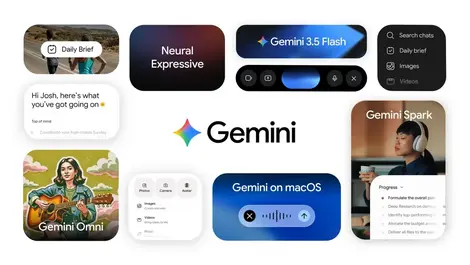
Growth to more than 900 million monthly users underscores Google's push to make Gemini a persistent AI assistant, not just a chatbot.
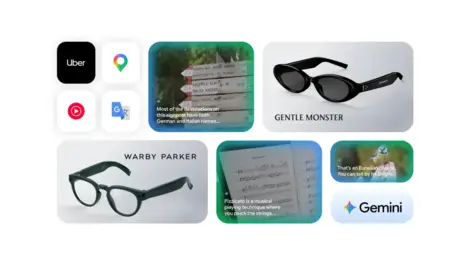
Hands-free AI features will reach wearers first, as Google's audio smart glasses are due to go on sale this autumn.
Users will soon be able to check whether images and video were AI-made or edited as Google widens provenance tools in Search, Chrome and Pixel.
Search now blends text, images and files as Google rolls out a single AI experience and background agents to over 1 billion users.
Security teams face faster exploit windows as Tenable rolls out AI-driven remediation tools to customers using its Exposure Management Platform.
More than 276,000 KPMG staff will gain access to Claude as the firm speeds up tax, legal and cybersecurity work across 138 countries.
Data privacy and accuracy fears are slowing uptake as nearly half of IT professionals question AI tools now entering their workplaces.
Many firms are still wrestling with trust and governance as analysts spend 3.7 hours a week correcting AI outputs, survey data shows.
The tie-up could help regulated firms move AI agents from pilots to live workflows, using trusted data for checks, approvals and governance.
Routine call-handling jobs face the sharpest risk as AI agents take over most customer queries, forcing firms to retrain staff quickly by 2030.
The model is now the default in Gemini and Search, with Google aiming to speed up multi-step coding and workplace automation tasks.
Short-form creators can now edit clips with natural-language prompts as Google rolls its new video model out to Shorts, Create and Gemini.
Search users will get background AI agents and custom layouts as Google broadens Gemini across its apps, YouTube and Workspace.
New controls will help SMBs and MSPs curb shadow AI use and limit data leaks as staff adopt chatbots without clear rules.
Local processing for robots and sensors could cut delays and boost safety as CSIRO brings edge AI infrastructure to Queensland.
Access to Google's experimental world model is widening as eligible AI Ultra subscribers can now generate Street View-based scenes from real US locations.