AI skills stories
Pressure is mounting on Singapore companies to overhaul systems and controls, as 70% expect rivals to use autonomous AI for key work within a year.
The deal gives 80,000 students and staff access to ChatGPT Edu as universities race to embed artificial intelligence in teaching and research.
A 25-point gap between executives and engineers suggests many UK firms are scaling AI faster than they can diagnose failures or meet governance demands.
Labour shortages are leaving Australian companies unable to fill critical roles, with one in three reporting poorer service and 32% losing customers.
US marketers will gain a new yardstick for AI readiness as the benchmark seeks to show where investment, governance and skills are lagging.
Faster threat detection and procurement are among the gains as Interactive pushes AI into daily work, while guarding against security and governance risks.
Only 3% of MSPs said every client tenant is Copilot-ready, despite AI governance becoming the fastest-growing request.
A university student will get a year of AI training and mentoring as AWS and Duck Labs seek to widen access to industry experience in Australia.
More than 10,000 Wipro specialists will gain access as the wider partnership aims to move Google Cloud's AI from pilots into daily enterprise workflows.
Controls are lagging as finance teams race to deploy AI, with many using its recommendations without human oversight, Medius found.
The programme aims to help enterprises deploy AI more securely and integrate it into existing workflows as adoption accelerates globally.
Verified university students can now access AWS credits, premium training and exam vouchers worth up to GBP £579 through a new rewards scheme.
Enterprises face a new runtime security gap as AI agents increasingly access internal systems, files and tools without oversight.
Security fears and a skills gap are holding back UK small firms, even as nearly half now use AI and more plan to adopt it.
Australia could miss the productivity gains from artificial intelligence unless small firms get more practical support to use it across their operations.
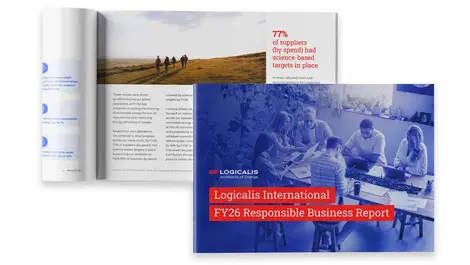
Scope 1 and 2 emissions fell 34% from Logicalis's FY22 baseline, while renewable electricity use rose and supplier climate pledges advanced.
Productivity gains are being left on the table as businesses adopt artificial intelligence too slowly and without the skills or strategy to scale it.
Despite near-universal uptake, just 4% of New Zealand organisations say AI has transformed core operations, Datacom's survey shows.
Many mid-sized firms are now seeking clearer guidance on where AI fits into everyday workflows as Thinc expands support.
Demand for engineers who can link AI to industrial systems is rising as manufacturers race to automate safely and stay competitive.











.webp)