Critical Infrastructure stories
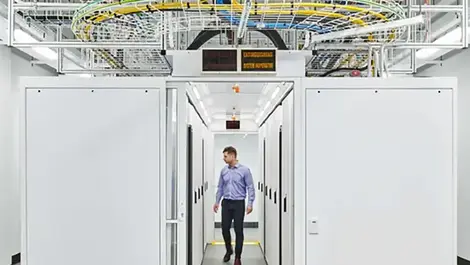
The test could hasten a cleaner alternative to diesel backup power as data centres face tighter emissions rules and grid constraints.
Australia's data-centre boom is straining power and water, while concentrating critical digital infrastructure in Sydney and Melbourne leaves the country exposed.
RMIT says Victorian households and businesses could face higher power bills as data centre growth races ahead of evidence on water, security and planning.
Owners can inherit hidden cyber risks at handover, as remote access, supplier links and recovery gaps may outlive construction contracts.
When ticketing, payments and security systems falter, crowded venues face disruption, safety risks and lost revenue under peak demand.
As AI demand rises, businesses face outages, price shocks and sovereignty risks unless they spread compute across cleaner, smaller sites.
Operators facing denser AI workloads could gain a smaller backup-power option, as the PU200 delivers 462 kW per cabinet in cramped data centres.
Rising demand for biometric access in regulated sectors helped drive Suprema's strongest showing yet in A&S magazine's annual security rankings.
The hire comes as European buyers and regulators demand tougher security, data control and legal clarity from cybersecurity suppliers.
Australian firms could face costly exposure if encrypted data is harvested now and decrypted later, as quantum threats move closer.
As cyberattacks accelerate, firms are turning to unified AI platforms to cut false alerts and spot threats before breaches spread.
The bundled platform will let regulated organisations avoid per-key licence charges as they tighten control of passwords, certificates and machine identities.
The update aims to curb shadow AI use and speed incident work, with customer-approved models handling summaries, evidence and playbooks inside Cydarm.
Without a national benchmark, policymakers cannot tell whether resilience spending is shortening outages or limiting cascading failures across vital services.
New Zealand firms face a faster-moving cyber risk, as AI-assisted hunting has helped push publicly known software flaws past 102,962 this year.
Organisations still lag behind as AI-driven scams and supply-chain attacks raise the stakes for boards, staff and critical services.
The move aims to tackle India's shortage of industry-ready quantum talent by creating training, certification and lab access across institutions.
The listing should streamline procurement for agencies seeking approved hosting and networking, while giving CDC an early lead in government supply.
Direct financial losses from reported cyber incidents more than doubled to $5.9 million as the NCSC warned AI is speeding attacks.
Boards are being warned that the real test of AI spending is correct, authorised work per dollar, not how many GPUs sit in a rack.