Gender diversity stories
The recognition highlights efforts to improve women's progression in technology, where senior representation remains low across Australia and New Zealand.
The report says threat intelligence teams could benefit from wider hiring pools as women bring skills from fields from marketing to the military.
AI is pushing women in small businesses into technology leadership roles, as Thryv says customer and operations experience now counts more.
Recognition for cybersecurity, diversity and service providers highlighted the breadth of Australia and New Zealand's IT channel in Sydney.
Australia's car-repair skills gap may get fresh attention as a 21-year-old apprentice heads to WorldSkills Shanghai 2026 after winning gold.
The appointment gives Advania UK a permanent leader as it expands its AI and cloud offer amid rising data-sovereignty pressures.
With women still only 17% of cyber workers in the UK and Australia, executives warn AI could deepen security blind spots unless talent widens.
With women at just 17% of Australia's cyber workforce, leaders warn AI could widen shortages unless firms widen recruitment.
AI-driven cyber threats are sharpening the talent crunch, as women still account for just 22% of the global workforce.
A widening talent shortage and AI-driven threats are forcing security firms to treat more women in the field as a business priority.
Progress remains patchy in cybersecurity, where women still hold just about 22% of jobs and senior gaps persist despite rising demand.
The programme targets buyers seeking integrated urban systems as Asia's cities race to link safety, data and emergency response.
Women's skills in AI and machine learning are helping expose a cyber workforce gap, as firms race to bolster defences against smarter attacks.
Diverse leadership is becoming a business necessity as cyber firms face a global talent shortage, rising AI threats and sharper risk decisions.
Higher renewable energy use and cleaner governance helped Mphasis lift its CRISIL Core ESG Rating to 73 in FY26, from 69 a year earlier.
A Sydney ceremony will honour IT channel leaders across Australia and New Zealand, with finalists spanning vendors, distributors and service firms.
Retention worries are sharpening as the UK tech sector faces a £2 billion to £3.5 billion annual hit from women leaving roles or moving employers.
Employee feedback has lifted Bizcap into a small group of nationally recognised employers, with a fifth-place finish in the medium business category.
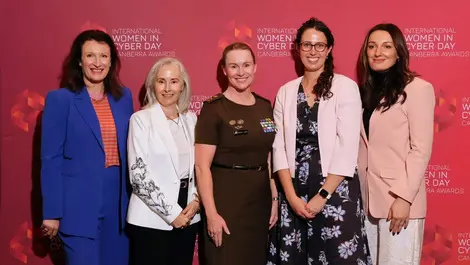
Skills shortages in Canberra's cyber sector are being tackled through awards for women, mentors and employers boosting inclusion.
A record shortlist across 20 categories spotlights women, non-binary people and allies shaping Australia's banking, health and education systems.