Global warming stories
After being named in the FTSE4Good Index yet again, the company has outlined how it makes social responsibility a core tenant of its vision.
A new report warns rising temperatures, melting glaciers and sea levels could reshape the country unless emissions fall quickly.
Weak planning, funding and governance are leaving New Zealand unable to deliver the wider public outcomes it now says it wants.
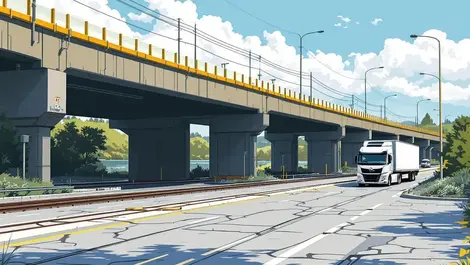
Funding will still fall short of fixing decades of underinvestment, with experts warning roads and rail need more to meet safety and climate goals.
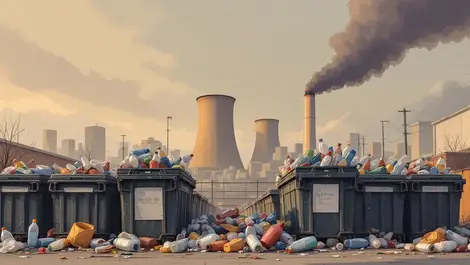
Even an ideal recycling system would cut plastics-sector emissions by only 14% by 2050, leaving major producers still far from net zero.
Consumers faced an extra USD $80 million bill as the Electricity Authority found Meridian’s spilling also raised emissions and fossil fuel use.
The project will add 93 MW of capacity and offset 100,000 tonnes of CO2 a year as MainPower begins site works near Waipara.
Global cooperation and heavy state intervention would favour low-carbon infrastructure, while fossil-fuel projects and greenfield builds are marginalised.
Lockdowns are set to cut CO2 emissions by at least 5% this year, but any climate gain could be erased unless stimulus backs cleaner growth.
Billions in COVID-19 spending could be used to unlock projects, create jobs and speed New Zealand’s economic recovery, Infrastructure NZ says.
Youth, immigrants and urban Maori are most at risk as planners warn New Zealand must better reflect its diverse communities.
Environmental pressure is forcing China to curb single-use plastics, with major cities set to lose plastic bags by year-end.
Investors may pour more money into low-carbon projects this year, but election outcomes and climate shocks could still slow decarbonisation.
Marine ecosystems face mounting pressure as pollution, fishing and warming seas threaten species, habitats and coastal communities.
Fire crews can now practise dangerous bushfire scenarios more safely and cheaply, without toxic foam or live flames, using virtual reality.
Britain could cut aviation emissions and landfill use as a planned waste-to-fuels plant near Immingham seeks approval, creating 130 jobs.
New draft carbon standards and a new expo zone will give New Zealand building owners practical steps towards net zero by 2050.
Pragmatic solutions are needed to cut waste, trim compliance costs and keep safety goals intact as prescriptive rules prove too rigid.
Visitors could soon sleep under the reef, as Queensland backs a GBP £1 million pontoon project expected to draw 160,000 more tourists a year.
The hexagon-shaped platforms are designed to keep up to 10,000 people safe from floods, tsunamis and hurricanes as seas rise.