NVIDIA stories
Operators in Southeast Asia could speed AI capacity builds as Delta's modular system pairs liquid cooling with 800 VDC power for NVIDIA Vera Rubin.
The move could keep AI work on-device, as Microsoft adds security controls for agents while Nvidia brings its chips to Windows PCs.
Adoption has climbed to more than 6,500 customers as businesses shift from AI pilots to on-premise production and weigh rising costs.
IT teams gain patching and compliance controls for NVIDIA's local AI systems as Tanium extends its endpoint platform beyond standard PCs.
It aims to help enterprises run thousands of short-lived AI agents securely while keeping their state, costs and decisions auditable after shutdown.
The move lets regulated organisations run AI-driven threat detection inside customer-controlled environments, keeping sensitive security data local.
The update gives enterprises tighter controls over autonomous AI agents, with runtime security, governed inference and Day 0 support for new NVIDIA chips.
More than 6,500 enterprises are now using the platform as Dell adds software, deskside systems and servers to help move AI from pilot to production.
The tie-ups are aimed at making it easier for enterprises and cloud providers to run agentic AI in production across mixed infrastructure.
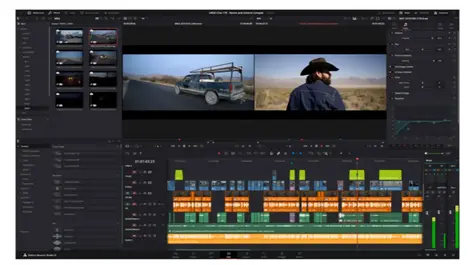
Users can now buy the paid video-editing suite for USD $236, as Blackmagic extends temporary discounts across its keyboards and colour panels.
Modern graphics and co-op modes help Gears of War: E-Day recapture the series' brutal firefights while revisiting the start of the Locust War.
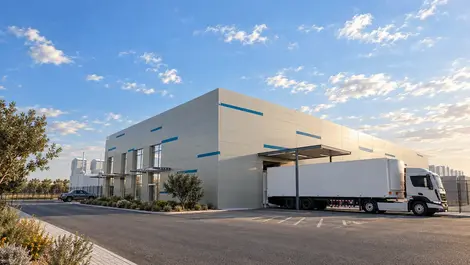
The initial 20MW site near Casablanca will anchor a much larger 180MW AI campus built around Nvidia's latest server architecture.
Researchers and startups could gain easier access to AI tools, training and European computing power as the Commission teams up with Nvidia.
The upgraded site will double production capacity and cut maintenance costs by 30% as Europe races to secure more sovereign computing power.
Regional AI infrastructure is set to surge, with cloud providers on course to deploy 1 gigawatt of capacity by the end of 2027.
Adobe and NVIDIA are expanding their partnership to accelerate AI processing in creative software, cloud media workflows and customer engagement.
The US cloud group is deepening its Asia push, with the Navi Mumbai site set to become a major base for AI workloads from mid-2028.
The update gives enterprise IT teams earlier warning of GPU and cooling faults that could throttle AI workloads or trigger outages.
The plan could bring faster local access to AI computing for Australian businesses and researchers, bypassing grid delays and offshore reliance.
Fortune 500 firms could lose the only AI setup that keeps sensitive data in-house, as enterprise adoption of open-weight models surges.