

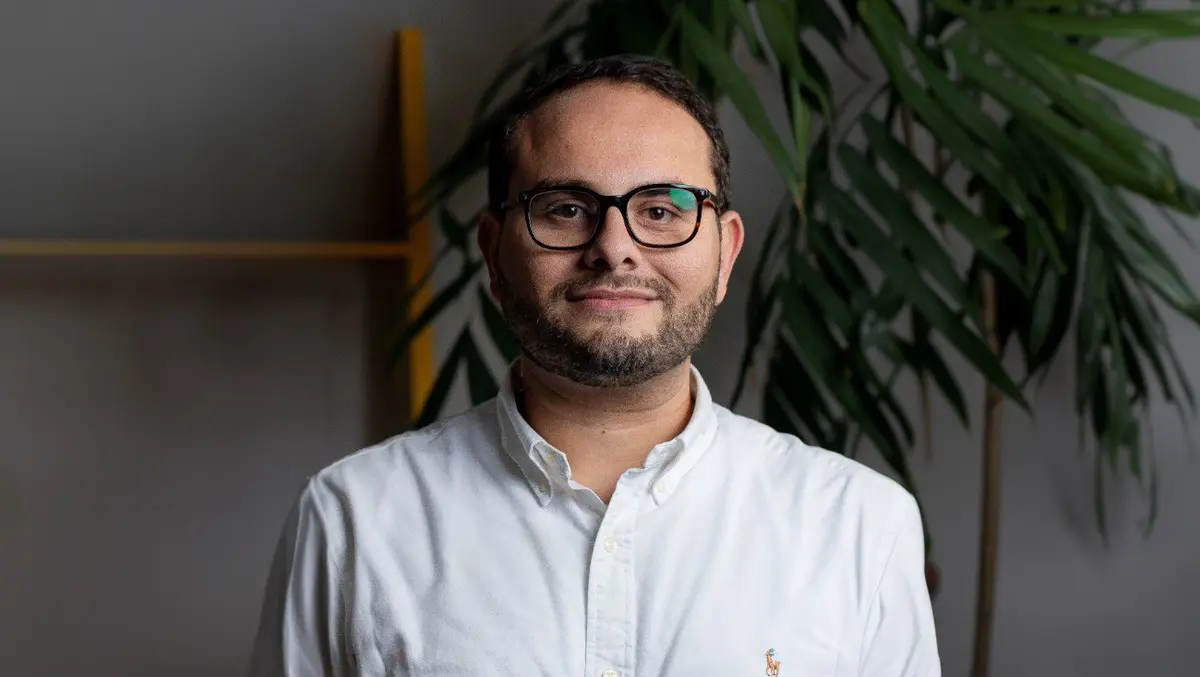

"Instant payments are the new cash."
That was the message from Eduardo de Abreu, Vice President of Product at EBANX, as the Brazilian payments company unveiled its latest expansion plans in Asia Pacific.
The company, which connects global merchants to consumers in Latin America, Africa and Asia, has secured a major regulatory milestone in Singapore.
"We have been granted the MPI licence from the Monetary Authority of Singapore," Fernanda De Fino, Global Director of Risk and Compliance at EBANX, told TechDay.
"EBANX is the first, and for now the only, Brazilian company to have this licence here. It represents our commitment with regulatory compliance and the security we offer to merchants and clients."
Founded in 2012, EBANX already serves more than 500 enterprise merchants, including Uber, Spotify, Canva and AliExpress.
It enables over 200 local payment methods in 29 countries, processing more than two million transactions every day. De Fino explained: "When a merchant comes to an emerging market, they face challenges with regulation, taxes and payment methods. EBANX facilitates these complexities by having local knowledge and presence."
A growing APAC footprint
The Asia Pacific region is now one of the company's fastest-growing markets. In 2025, EBANX recorded 42% year-on-year growth in transaction volumes from APAC-based merchants, alongside a 75% increase in revenue. Merchants from the region now make up nearly 40% of its global customer base.
With offices in Singapore, Shanghai and India, EBANX has more than 50 employees across Asia, supported by a broader team of 700 worldwide.
This year, the company will again host its APAC Payments Summit in Macau, a choice that De Fino said reflects both "Macau's Portuguese heritage, which creates a natural link with Latin America, and its growing reputation as a tech hub."
De Abreu pointed to demographic shifts underpinning the company's strategy. "Over the next 10 years, nearly 700 million people will join the consumer class in emerging markets," he said.
"Much of that growth will come from Southeast Asia and India, which are expected to see more than 122% growth. This is massive in terms of potential for eCommerce."
Payments transformation in emerging markets
De Abreu stressed the rise of alternative payment methods (APMs) such as instant transfers, wallets and QR codes.
In Brazil, the central bank's Pix system has already overtaken credit cards. "Merchants are investing heavily to integrate these systems because they accelerate eCommerce adoption," he said.
He noted that card penetration does not always equate to usage. "In emerging markets, many people treat cards as an emergency fund, with very low credit limits. That's why wallets, mobile money and instant transfers are so critical."
The same transformation is happening in business-to-business payments.
"What used to take ten days through offline processes is now instantaneous," de Abreu explained. "This modernisation gives companies better cash flow, speed and competitiveness."

Local knowledge key to compliance
During a Q&A with TechDay, De Fino emphasised that navigating compliance remains one of the biggest challenges for APAC merchants expanding into Latin America.
"This is what we provide best - solving the complexity," she said.
"Our strong team has deep knowledge of local markets and regulations. Having local staff who are also consumers makes us better prepared to prevent fraud and remain compliant."
She added that EBANX's local expertise is its greatest strength. "To operate in these markets, it's impossible not to have this knowledge. It's been our footprint from the beginning."
Supporting gaming and digital platforms
Asked how EBANX supports gaming platforms in Latin America's mobile-first environment, de Abreu pointed to tailored wallet partnerships.
"The key for gaming merchants is to access the community through mobile wallets," he said.
"We've helped create areas inside wallets where users can purchase directly from merchants, almost like a segment of super apps focused on gaming."
Exploring stablecoins
Stablecoins are also part of EBANX's roadmap.
"We are researching how stablecoins can improve customer experience and deliver lower costs," de Abreu said. "The main question is how to enable them in line with regulation. We understand they will have an important role."
De Fino added: "The maturity of the regulation is very important to define the role of EBANX in this area."
Partnership with Stripe
On EBANX's partnership with Stripe, de Abreu said: "The collaboration is focused on enabling the most significant alternative payment methods on emerging markets. Stripe needs deep, comprehensive and strong technology, and that's why we partnered."
Stablecoins, he explained, remain a separate discussion. "We don't yet have a product, but we are working on it. Everything we build is global, not regional."
Competing in APAC
When asked how EBANX will compete in APAC's crowded market, de Abreu acknowledged the region's thin margins but said enterprise-grade solutions remain in demand. "A lot of players here have fragmented offerings. Merchants tell us they need more comprehensive support, like what we've done in Africa and Latin America," he said.
Most of EBANX's revenues in APAC will come from processing fees, not foreign exchange.
"The majority of our results come from processing fees because that's also where the costs are," he explained.
As EBANX looks ahead to its Macau summit, which kicks off on August 28, both executives stressed that the company's focus remains on unlocking growth for global merchants in the world's fastest-changing markets.
"Our goal is to create a thought leadership event where people can truly get value," de Abreu said. "We want merchants to see that with the right local knowledge and the right payment rails, the opportunities in emerging markets are enormous."
"We are always following regulation closely, working with regulators and keeping ahead of the game. That is how we stay compliant and how we support our merchants," De Fino added.