

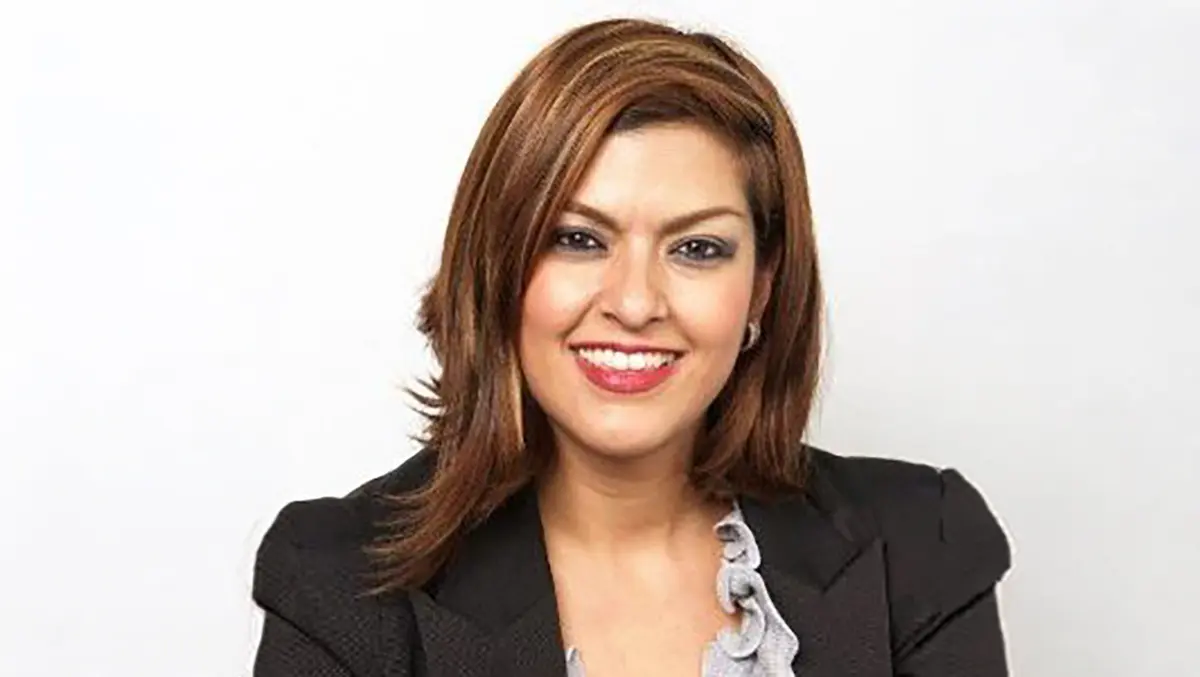
Leadership, transformation, and designing what's next for women
Fri, 6th Mar 2026
I still remember the first boardroom I walked into as a graduate at Fujitsu. There were not enough chairs at the table. Instead of pulling one up for myself, I went outside, found a spare chair, and sat alone in the corner. I did not speak at all.
That moment has stayed with me – not because of the men in the room, but because of how I made myself so small and silent.
As an Iranian woman living and working in Australia, I am particularly conscious that now more than ever, we need people and voices like mine to stand up, stand out, and take a seat at the table. Suppressing the voices of women, Iranian and otherwise, only leads to harm and contributes to political unrest.
Canvassing the gender gap
For 20 years, I have worked across infrastructure, digital transformation, and now AI. So much has changed during this time, and I have realised that transformation in technology is not about technical brilliance alone. Rather, it is about translation and alignment: understanding business problems and helping people navigate through change.
Globally, women still hold less than 30% of technology roles and fewer than 15% of executive technology leadership positions. In AI-specific roles, female representation is even lower. This noticeable gender gap is not simply a diversity issue – it is a missed strategic advantage.
In addition to the gender gap, we have constant disruption to deal with. AI and automation are rapidly accelerating, and human and cultural alignment are key to digital transformation. It is women who often lead the way with a focus on connection and inclusion. They ask not only what technology can do, but how it will feel and whether people understand their part in it.
The ability to bridge technical capability with human impact is a commercial advantage. Digital transformation succeeds when people move with it – and successful cultural change is frequently female-led.
Lessons from my leadership journey
Reflecting on my path to senior IT leadership, four key insights stand out.
1. Pull up your chair at the table. No-one is going to pull up your chair for you; you must do it yourself. Early in my career, I believed credibility meant observing quietly; it doesn't. Strong leadership requires presence first and foremost. Claim your space and your confidence will grow.
2. Stop trying to be liked. Early on, I wanted everyone to like me. As a result, I overextended myself and said yes too often. What matters more than being liked is being consistent. When you stop chasing approval, you gain clarity and authority. Paradoxically, people trust you more, leading to stronger relationships.
3. Your leverage is not knowing everything. In highly technical environments, I initially thought I needed to know everything and out-engineer the engineers. I didn't, of course; the real power is in understanding business problems and translating them into tangible outcomes.
4. The biggest ceiling is internal. As I have matured into senior leadership, I have realised that the greatest resistance to change is inside your own head. The fear of thinking too big can hold you back, as can the fear of taking risks and stepping into the unknown. Be bold – you never know what you might achieve.
International Women's Day 2026 – What 'Give To Gain' means to me
For me, this year's International Women's Day (IWD) theme of 'Give To Gain' begins with giving to yourself. As women, we are exceptional at giving to others, yet many of us withhold care, kindness, and belief from ourselves.
This IWD, I encourage you to give yourself permission to lead boldly. Give yourself compassion when you stumble, and the space to think bigger.
'Give To Gain' also means creating opportunities for others. Bring women into leadership conversations and opportunities by opening safe and inclusive spaces for them. Offer advice and mentorship. Give other women access to career development pathways aligned with their skills and interests.
Driving change at Staffbase
At Staffbase, we operate at the intersection of technology and culture, with a key focus on AI adoption and modern communication strategies.
In our APJ region, our leadership team consists of seven leaders, with five being women. Having a strong female leadership team at Staffbase is an intentional decision. We create structured pathways for growth and nurture female talent at every level.
Female leaders across our teams consistently elevate the human dimension of transformation. When it comes to AI, they ask not only, 'What can this technology do?', but 'How will it impact our people?' The strength of female leaders truly does lie in this balance between people and technology.
What must change in 2026 and beyond
IWD shines a spotlight on female representation and gender (in)equality every year. However, it is simply one day in the year. Elevating women in technology is something that must occur every day.
Progress requires structural shifts, and we need to fundamentally redesign how leadership works to encourage more women to choose a career in technology. Training and development should be prioritised, as well as sponsorship and mentorship for female talent.
It is also important to ensure flexible work arrangements for women (and men). Choosing a career in technology and leadership should not mean choosing between ambition and family.
I have two boys, aged 10 and 7. When they see me lead, travel often, speak out, build strong teams, and drive business growth, they do not see these achievements as something being taken away from them. Instead, they see my strength and passion. They see possibility for me and other women like me.
Work should not be framed as something that competes with family life. It should expand it, broadening what our children believe leadership looks like, what sons expect of their mothers, and what daughters imagine for themselves in the future.
If we want meaningful change for women, we must stop asking women to adapt to rigid systems not designed for us. Instead, let us redesign systems that reflect our goals, priorities, and real day-to-day lives.