

%201.webp)
Adyen has published findings from its Singapore retail research on the use of artificial intelligence in shopping, showing strong consumer adoption of AI tools alongside reluctance to let them complete purchases.
The research highlights a gap between using AI for product discovery and trusting it at checkout. It found that 72% of people in Singapore already use AI assistants for shopping, while 42% do so at least once a week.
Yet only 29% said they would be comfortable letting an AI assistant complete a purchase on their behalf. Meanwhile, 58% were uncomfortable with the idea, and almost half of current AI shopping users still hesitated when payment was involved.
Retailers showed similar caution. Among merchants, 36% said concerns about losing direct customer relationships or brand control were a reason to delay broader AI adoption.
Trust at checkout
The findings suggest checkout remains the point where confidence weakens for both shoppers and businesses. Payment errors can have lasting effects for retailers: 24% of customers said they might complete a purchase but return only if no alternatives existed, 20% said they would abandon the purchase and avoid the retailer in future, and 15% said they would switch to a competitor altogether.
The research also pointed to signs that AI-driven traffic can produce stronger commercial results. Visitors referred by AI generated 53% more revenue per visit than non-AI traffic and had a 54% higher conversion rate.
Even so, retailer outcomes were mixed. Among merchants that had deployed AI for personalisation and recommendations, 39% reported a rise in turnover, while 24% said turnover fell.
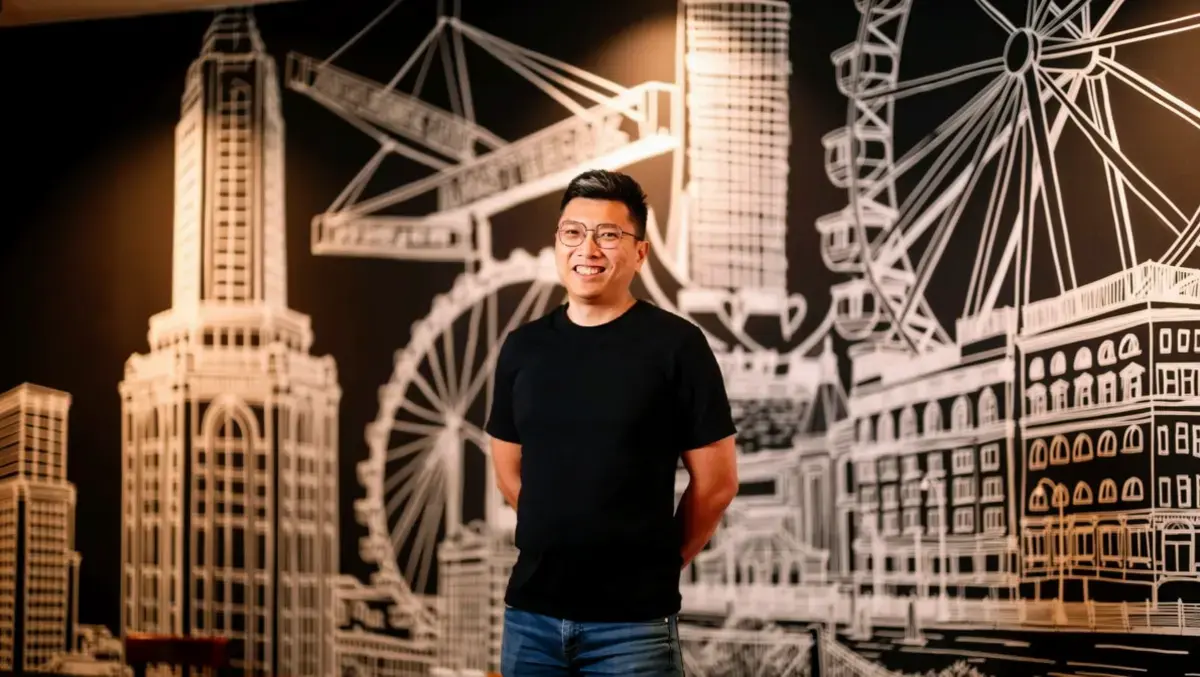
Ben Wong, General Manager, Southeast Asia and Hong Kong, at Adyen, commented on the findings.
"Singapore is one of the most digitally connected markets in the world. Consumers here have embraced AI for discovery and inspiration, and businesses are adopting AI as a reflection of our times," he said.
"But the data tells a more nuanced story. Adoption is not the same as trust. Hesitation takes over the moment money changes hands - and that gap is exactly where the next chapter of retail will be decided."
Who uses AI
The study found that AI shopping use was strongest among younger consumers, men, and higher-income households. Gen Z led adoption at 85%, followed by Millennials at 80%, compared with 68% for Gen X and 52% for Baby Boomers.
Men were more likely than women to use AI shopping assistants, at 76% versus 68%. Those with annual household incomes of S$8,000 and above recorded the highest adoption rate, at 82%.
Parents with children under 18 were the most active group across several measures. They spent more than twice as much on social media purchases as those without children, at S$140 per purchase versus S$67, while 82% used AI more frequently compared with 68% of non-parents.
This group was also more open to AI completing purchases, with 62% saying they were comfortable with that step, compared with 54% of those without children. The research suggested that greater time pressure may be driving stronger use of AI for inspiration, tailored recommendations, and quicker decisions.
Security concerns
Consumer caution about handing over payment decisions to AI was also reflected in attitudes to transaction security. Nearly half of Singaporeans, 49%, said they used biometrics to authenticate transactions.
Another 29% said they avoided saving payment details on devices, while 27% said they felt more confident when retailers used two-factor authentication.
Among people spending S$200 or more per social media purchase, extra security checks lifted comfort levels from 11% to 21%. This suggests authentication remains a key issue as AI becomes more involved in commerce.
Merchant plans
Despite the hesitation, merchants appear to be preparing for wider use of AI in transactions. The study found that 89% said they were familiar with agentic commerce, including 47% who said they were very familiar and could explain it confidently.
Retailers planning investment in agentic commerce most often cited sales growth through AI-led product discovery, protecting direct customer relationships, and managing payment risk and machine-speed transactions. The sales opportunity was cited by 61% of respondents, while each of the latter two factors was cited by 60%.
Wong said payment structures would need to adapt as AI takes on a larger role in shopping.
"Most payment systems were built for humans, not machines. Agentic commerce brings new rules, new standards and new complexity. The merchants who win will be those who weave trust into the infrastructure itself by making payments invisible, resilient and reliable, at machine speed."