

Singapore startups capture 91% of SEA venture funding
Tue, 13th Oct 2026 (Today)%201.webp)
Singapore-based startups captured 91% of Southeast Asia's venture funding in the first nine months of 2026, as the region's startup funding tripled to USD $10.7 billion, according to data from Founders Forum Group and Dealroom.
The figures add to evidence that Singapore is consolidating its position as the main base for founders and investors operating across Southeast Asia, even as capital allocation across the wider Asian market shifts sharply towards larger rounds and artificial intelligence.
Across Asia, startups raised USD $129.6 billion between January and September, up from USD $60.0 billion a year earlier and already 57% above the full-year 2025 total. China accounted for most of that increase, with Chinese startups raising USD $88.5 billion.
Large transactions played a central role in the regional totals. Rounds of USD $250 million or more reached USD $66.5 billion, compared with USD $9.5 billion in the same period a year earlier.
Singapore data centre operator DayOne raised USD $4.5 billion, the biggest round in Southeast Asia this year. The deal also highlighted Singapore's role as a conduit for capital from both Western and Asian investors, with US investor Coatue participating alongside Hillhouse.
AI focus
Artificial intelligence accounted for a growing share of venture activity across the region. AI companies made up 34% of Asian rounds worth USD $1 million or more, up from 12% in 2023, and took 62% of the dollars raised.
Chinese AI companies were among the main drivers of that trend, with fundraising led by groups including DeepSeek, MoonshotAI, Kling AI and StepFun. Globally, the largest rounds still went to US AI companies, with OpenAI raising USD $122 billion this year and Anthropic raising USD $95 billion across two rounds.
Asia's share of global venture funding held at 18%, while its share of total deal count rose from 27% in 2019 to 32%. That suggests the region is generating a larger share of startup activity even as the biggest pools of capital remain concentrated in fewer transactions.
Singapore role
The Singapore figures also reflect a longer-term shift in the geography of Southeast Asian venture funding. Startups based in the city-state took 62% of regional funding in 2019. That share has now climbed to 91%.
Some companies have moved their base to Singapore to gain access to investors and regional markets. Manus AI, which moved its headquarters to Singapore in 2025, raised USD $500 million this year, while robotics company Sharpa raised USD $619 million from backers including Alibaba.
US investors have maintained a relatively stable presence in Singapore venture rounds, representing between 20% and 30% of investors in those deals each year since 2020, the data showed.
That contrasts with China, where US participation has fallen sharply. US investors made up 11% of investors in Chinese venture rounds in 2020, but that share has dropped to 2% to 3% each year since 2023. In Singapore, Hong Kong and the UAE, their share remains between 20% and 30%.
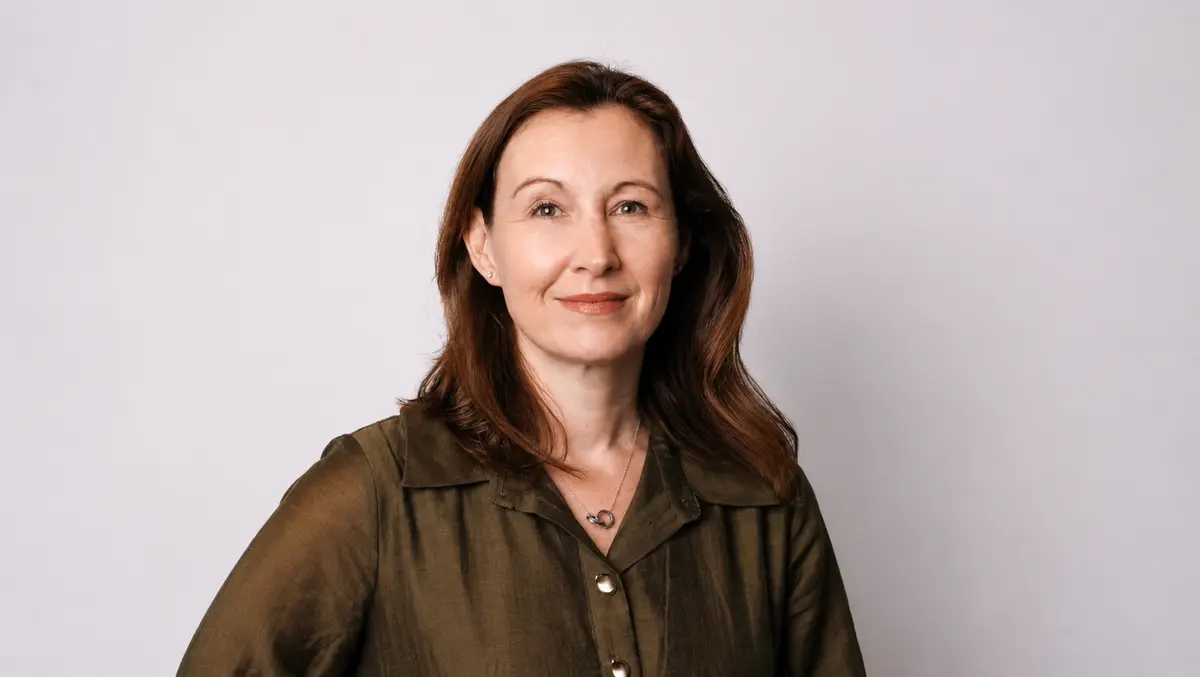
Carolyn Dawson, Chief Executive Officer of Founders Forum Group, said consistent investor participation in Singapore has reinforced its role in regional venture markets.
"Investors are rethinking where they deploy capital in Asia, and Singapore is where they continue to commit. It drew 91% of Southeast Asia's venture funding this year, and US investor participation here has held steady. That consistency has made Singapore an innovation hub for AI and deep tech founders, and the bridge for companies moving between Asia and Europe," said Carolyn Dawson, Chief Executive Officer of Founders Forum Group.
The data also pointed to Singapore's role as a conduit for outbound capital. Singapore investors GIC and Temasek backed Supabase and Mobvista respectively, underlining the city-state's function as a base not only for incoming capital but also for investment in overseas technology companies.
Dawson said founder decisions on location and investor mix are becoming more closely linked as geopolitical considerations shape capital flows.
"Chinese AI companies are raising at a scale we haven't seen before, even as US investors have largely stepped back from those rounds," Dawson said.
"Capital has become far more deliberate about where it goes, which means founders now have to decide who they want on their cap table from day one, because that shapes where they base themselves and how far they can scale," Dawson said.