

Singapore CEOs see geopolitical risk as top concern
Wed, 27th May 2026%201.webp)
Geopolitical risk has become the main concern for chief executives in Singapore, according to EY-Parthenon's latest CEO Outlook Survey. The findings also show that most are keeping a tight focus on profitability, AI investment and strategic deals.
The survey covered 1,200 CEOs across 21 countries, including 40 in Singapore. It found that 71% of Singapore respondents viewed geopolitical uncertainty as the biggest risk to their business over the next 12 months, compared with 56% globally.
That marks a sharp rise from the previous quarter and puts geopolitics at the centre of boardroom planning. Nearly half of respondents in Singapore and globally also said sustained energy price shocks would create significant headwinds for their organisations, underscoring how international tensions are feeding into operating and financial pressures.
Even so, executives are not retreating from investment altogether. Instead, they are becoming more selective, focusing on what the survey describes as disciplined growth.
Among Singapore respondents, 88% said they were prioritising sustainable long-term growth and a clear path to profitability over rapid market expansion. That approach includes preserving financial flexibility, simplifying operations, investing in talent and using technology to improve productivity.
Confidence in Singapore's domestic outlook remained relatively firm. The survey's CEO Confidence Index for Singapore stood at 73.5, while local growth confidence reached 81.0, making Singapore one of the most optimistic markets in the study for expectations of national growth.
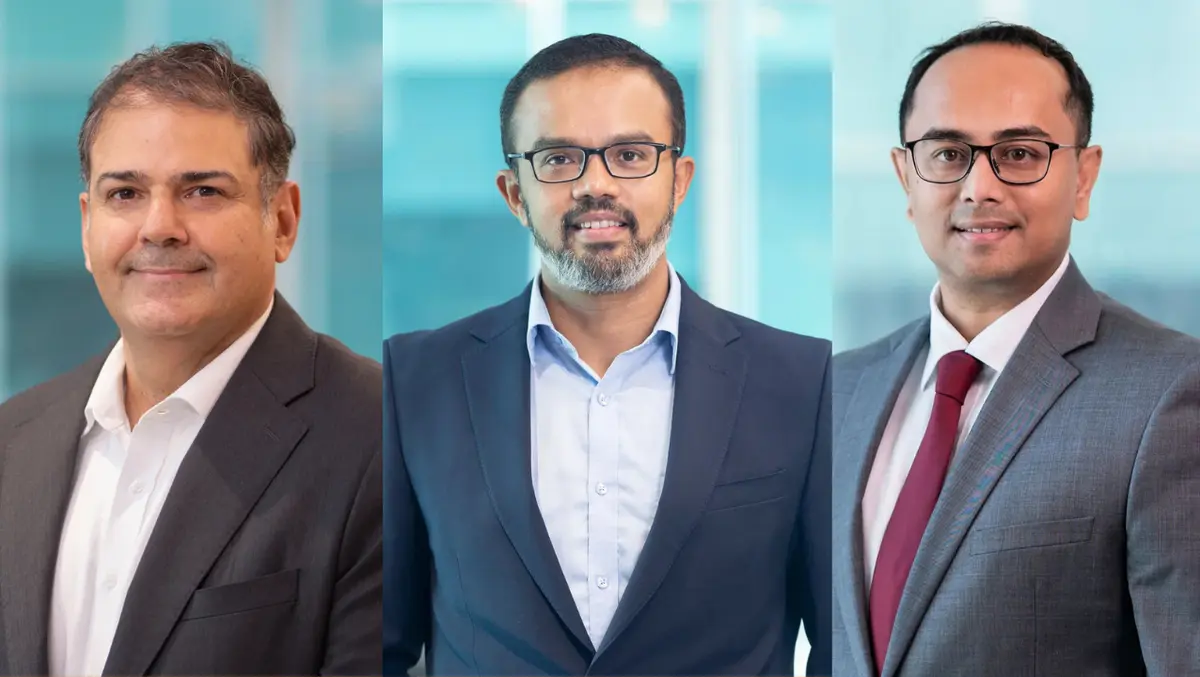
Purandar Rao, EY-Parthenon Asia East, ASEAN and Singapore Strategy and Transactions Leader, said the results pointed to a measured, rather than defensive, response from business leaders.
"What stands out in the latest findings is the combination of confidence and clarity around risk. The focus on sustainable long-term growth over rapid expansion reflects a broader shift in mindset, with leaders prioritizing resilience and disciplined execution across the cycle rather than pursuing growth at any cost. Singapore's stability, connectivity and institutional strength position the country strongly as a base for companies taking this longer-term view," Rao said.
AI spending
Artificial intelligence remains a major area of spending, but the emphasis is shifting from adoption to business impact. In Singapore, 68% of CEOs said they planned to increase AI investment, while only 3% expected to reduce spending.
The findings suggest AI is now influencing decisions well beyond technology teams. In Singapore, respondents said it was starting to affect customer value creation and strategy (both at 45%), followed by finance and risk management (43%) and innovation (38%).
Optimism around emerging technologies also remained high, with 84% of Singapore CEOs saying they were positive about their company's investment plans in those areas.
Still, regulatory uncertainty and implementation hurdles are emerging as constraints. Twenty-seven per cent of Singapore respondents said AI regulation was increasing compliance and operational complexity, while 38% said fragmented and evolving rules were making it harder to scale AI effectively.
Sriram Changali, EY-Parthenon Asean and Singapore Industrials Leader, said the issue was no longer simply how much companies spend on AI.
"The more meaningful story behind the AI investment figures is not the scale of spending, but its direction. AI has moved beyond the technology function to shape decisions across customer value, strategy, finance and innovation. With Singapore companies being further along in the adoption curve, leaders are now making more considered choices about where AI can create genuine enterprise value," Changali said.
Workforce changes
The survey also found that AI is reshaping workforce plans, though not chiefly through job cuts. All Singapore respondents said AI would alter their workforce strategy over the next three years, yet only 18% said it would reduce hiring.
Instead, employers appear to be focusing on retraining and redesigning jobs. Forty-three per cent of Singapore CEOs said they expected large-scale reskilling and upskilling, while 50% said they were redesigning roles to combine human and AI work.
Resistance within organisations remains a barrier. Nearly a quarter of Singapore respondents cited cultural resistance to change as the main people-related challenge. At the same time, 15% pointed to limited AI and data skills in the existing workforce, and another 15% cited insufficient leadership capacity to manage AI-driven change.
Changali said those internal barriers may prove harder to resolve than technical ones.
"With AI, the talent constraint is shifting. A premium is placed on talent who can combine deep domain knowledge and judgment with the ability to direct AI systems. However, such talent is scarce everywhere, Singapore included. At the same time, with cultural resistance being cited as the most significant talent-related challenge in Singapore, it is clear that in organisations with long-tenured workforce and hierarchical decision-making cultures, AI adoption is less a technology rollout than a leadership intervention. Ultimately, we cannot reskill our way past underlying permission structures that do not reward experimentation," Changali said.
Deal appetite
Transactions are also staying high on the corporate agenda. Of Singapore respondents planning mergers and acquisitions, 88% said they expected their deal appetite to rise over the next 12 months.
Executives in Singapore ranked their own market as the leading investment destination for deals, followed by China, Malaysia, Switzerland and South Korea. The results suggest companies are balancing domestic strength with selective regional and international expansion.
Technology and AI are increasingly shaping those choices. Fifty-nine per cent of Singapore respondents said improving technology or AI was the most important factor in acquisition or divestment decisions, while 51% cited strategic fit with long-term growth priorities.
The study found that 63% of Singapore CEOs were pursuing M&A, 70% were focusing on strategic alliances, and 53% were exploring joint ventures. That points to a broader preference for partnerships and targeted transactions rather than large-scale expansion for its own sake.
Geophin George, EY-Parthenon ASEAN Transactions and Corporate Finance Leader, said: "Given that accessing AI capability is a key consideration for M&A pursuits, this marks a notable shift in how transformative technology enters enterprises, and we can expect it to be a defining feature of deal activity in 2026. At the same time, companies are anchoring their core capability close to home while pursuing growth through alliances and selective M&A. Dealmaking is also becoming more disciplined and the criteria have tightened, as technology and AI capability, strategic fit and long-term growth alignment now dominate the decision."
"The preference for strategic alliances over outright acquisition underscores this trend: in an environment where the cost of capital is high and integration risk is real, partnerships allow companies to access capability and markets without overcommitting," said George.